
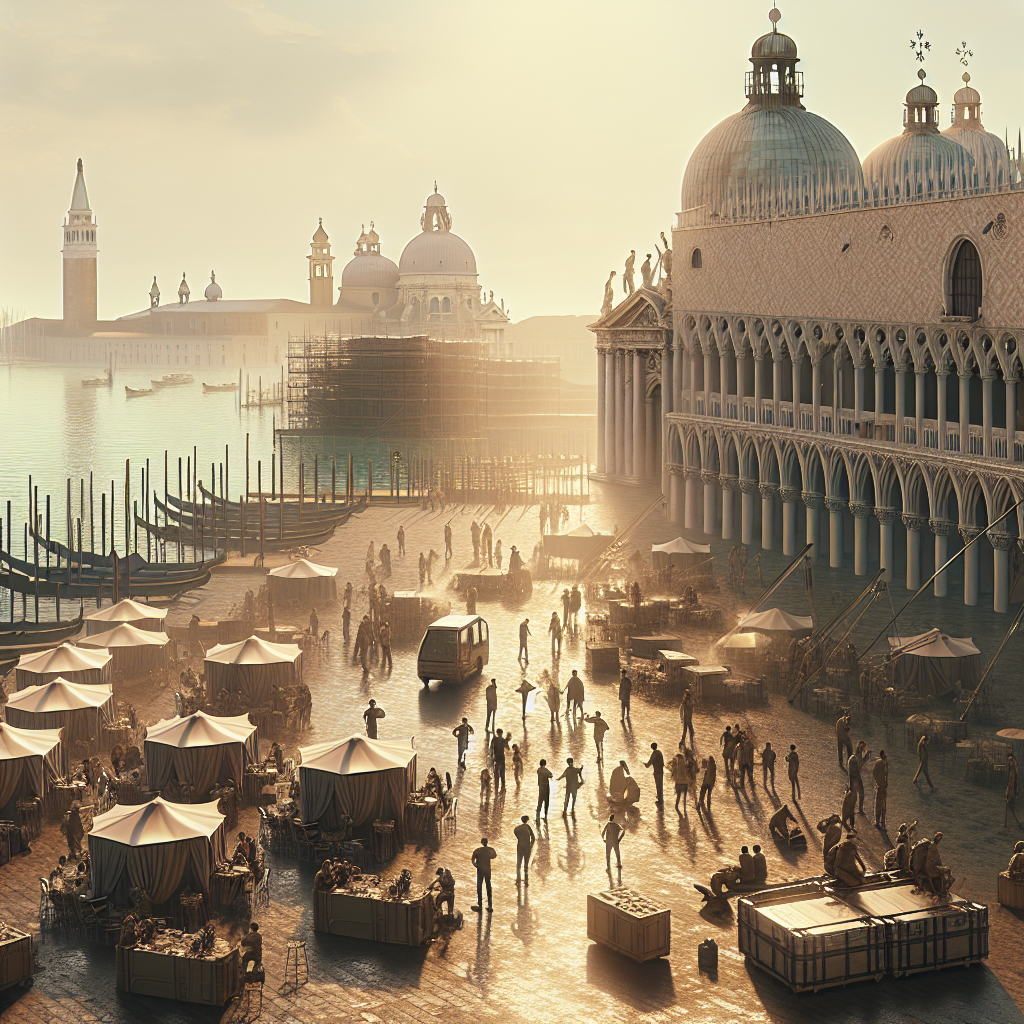
Labor unions, cultural organizations, and artists are poised to stage a significant protest at the Venice Biennale on May 8, 2026, in response to Israel’s participation in the international art event. This anticipated 24-hour strike, organized by the Art Not Genocide Alliance (ANGA), aims to draw attention to the ongoing humanitarian crisis in Gaza and to advocate for the cessation of what protestors are calling the “genocide pavilion.”
As the 61st edition of the Venice Biennale prepares to open, the decision to include an Israeli pavilion has sparked widespread outrage among cultural workers. In a statement released by ANGA, the protest marks a historic moment as the first organized strike within the Biennale’s history. Various groups, including Biennaleocene—a coalition advocating against exploitation in Venice’s arts sector—are set to join the demonstration alongside Italian trade unions such as Associazione Difesa Lavoratori and Unione Sindacale di Base.
The rally will take place at 4:30 PM on Viale Garibaldi, a central thoroughfare near the Biennale’s Arsenale. ANGA’s materials circulated during the Biennale previews call for a boycott of the Israeli pavilion, urging attendees to abstain from parties, press events, and “artwashing.” The coalition is distributing a “guide to complicity and protest,” which highlights supporting entities that perpetuate violence against Palestinians.
Recent statistics underscore the dire situation in Gaza, where more than 73,000 people have reportedly been killed, alongside significant destruction of critical infrastructure, including hospitals and schools. ANGA’s statements articulate a strong condemnation of the Biennale’s decision to accommodate Israel, emphasizing that the event’s leadership is well aware of these ongoing issues yet has moved forward regardless.
This protest follows months of activism opposing Israel’s national pavilion. Over 200 artists and curators signed a letter denouncing the decision, articulating their belief that the inclusion of Israel represents an affront not only to the Palestinian people but also to Palestinian culture.
While Russia’s pavilion has been curtailed due to international sanctions, Israel’s representation continues amid vocal criticisms. The Biennale’s recent changes, including the resignation of its jury—which initially aimed to exclude nations charged with crimes against humanity—have only intensified tensions in the art community.
The upcoming strike and rally are reflective of a larger movement within the arts to advocate for social responsibility and ethical participation. Organizers for Biennalocene anticipate a substantial turnout, drawing on the momentum from previous protests and strikes coinciding with major events in Venice’s art scene.
As artists and cultural workers prepare to make their voices heard, the eyes of the art world will undoubtedly be focused on the outcomes of May 8’s actions, signaling a potential shift in how cultural institutions engage with pressing global issues.
Gracias por leer Columna Digital, puedes seguirnos en Facebook, Twitter, Instagram o visitar nuestra página oficial. No olvides comentar sobre este articulo directamente en la parte inferior de esta página, tu comentario es muy importante para nuestra área de redacción y nuestros lectores.