

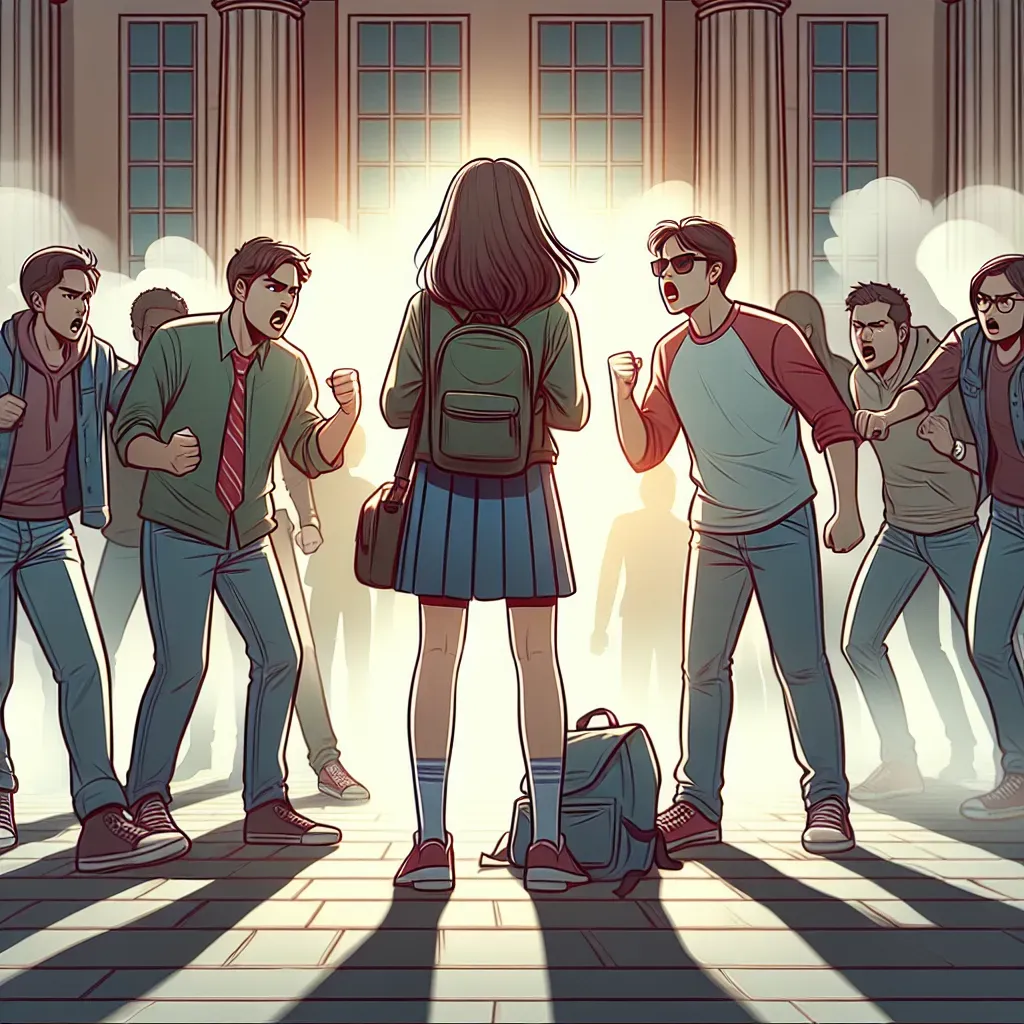
Graduate students in the Master of Fine Arts (MFA) Studio Art program at the University of North Texas (UNT) are taking a significant stand by withdrawing their upcoming thesis presentations in solidarity with Victor “Marka27” Quiñonez. Quiñonez's exhibition, which focused on the violence faced by immigrants from Immigration and Customs Enforcement (ICE), was abruptly canceled shortly after its opening on February 3, 2026. The exhibition, titled Ni de Aquí, Ni de Allá, was intended to remain on display until May 1.
Just a week after the opening, the gallery windows were papered over, and the exhibition page was removed from the school's website. Quiñonez received official notice of the cancellation through a concise email on February 11, informing him that his works were being returned to Boston University, where they were originally presented. To date, UNT has not issued a public statement clarifying the reasons behind this decision, nor has it responded to multiple requests for comment.
The sudden closure of Quiñonez’s exhibition has sparked outrage and concerns of possible censorship due to the critical nature of his work regarding ICE. This has led to various protests, including a vigil organized by undergraduate art history major Sierra Rose Dominguez. Dressed in black, students gathered at the closed exhibition’s entrance, arranging a Mexican flag and candles in a solemn display of mourning for freedom of expression.
Out of the 11 students in the graduating MFA cohort, nine have committed to withdrawing their thesis shows, opting instead to seek alternative venues for their work. Carla Hughes, a student and teaching fellow at UNT, expressed her disappointment, stating, “We now understand that our administration does not actually care about what we have to say, so we’re more interested in taking our work to our community than keeping it in the institution.”
Hughes's discovery of the vinyl for Quiñonez’s exhibition missing from the gallery window led to her awakening to the administration’s lack of transparency. “There was this idea of secrecy,” she noted, acknowledging a prevalent fear in the department about speaking out.
In an open letter, graduate students described this incident as part of a “troubling pattern” at UNT. They referenced a previous incident in which a pro-Palestine art display was diminished following complaints from state officials. Following that controversy, UNT implemented a policy designed to protect artistic liberties. However, faculty members have pointed out that the recent cancellation of Quiñonez’s show seems to violate this very policy, which aims to uphold the right to artistic expression.
Robyn Rozelle, another MFA student, reflected on the emotional toll that censorship can take on students who identify with Quiñonez’s work. “For a lot of students, having representation of their culture in the school, and then seeing it censored, was heartbreaking,” she remarked.
Meanwhile, the context of these events is further complicated by UNT’s ongoing financial struggles. In an email sent to students and staff on February 17, university President Harrison Keller announced a projected $45 million budget deficit, attributed partly to declining international enrollment and significant reductions in state funding.
Furthermore, UNT has recently come under fire from state officials, including Texas Attorney General Ken Paxton, who has pledged to investigate the institution for purported “left-wing extremism.” This scrutiny raises questions about the motivations behind the cancellation of Quiñonez’s exhibition and the potential influence of political pressure.
Amidst this turmoil, the campus community continues to call for transparency and accountability from UNT leadership. Alicia Eggert, an artist and associate professor at the university, supported the students’ demands for clarity, emphasizing the need for the administration to align its actions with the values of the community that she has come to know and cherish over the past decade.
As the situation continues to unfold, the students stand determined to seek alternative platforms for their art, reaffirming their commitment to expressing their voices and narratives, even in the face of institutional adversity.
Gracias por leer Columna Digital, puedes seguirnos en Facebook, Twitter, Instagram o visitar nuestra página oficial. No olvides comentar sobre este articulo directamente en la parte inferior de esta página, tu comentario es muy importante para nuestra área de redacción y nuestros lectores.
Datos basados en información reportada originalmente por hyperallergic.com.
Reportar un problema en esta notaPolítica de correcciones

Deja un comentario