
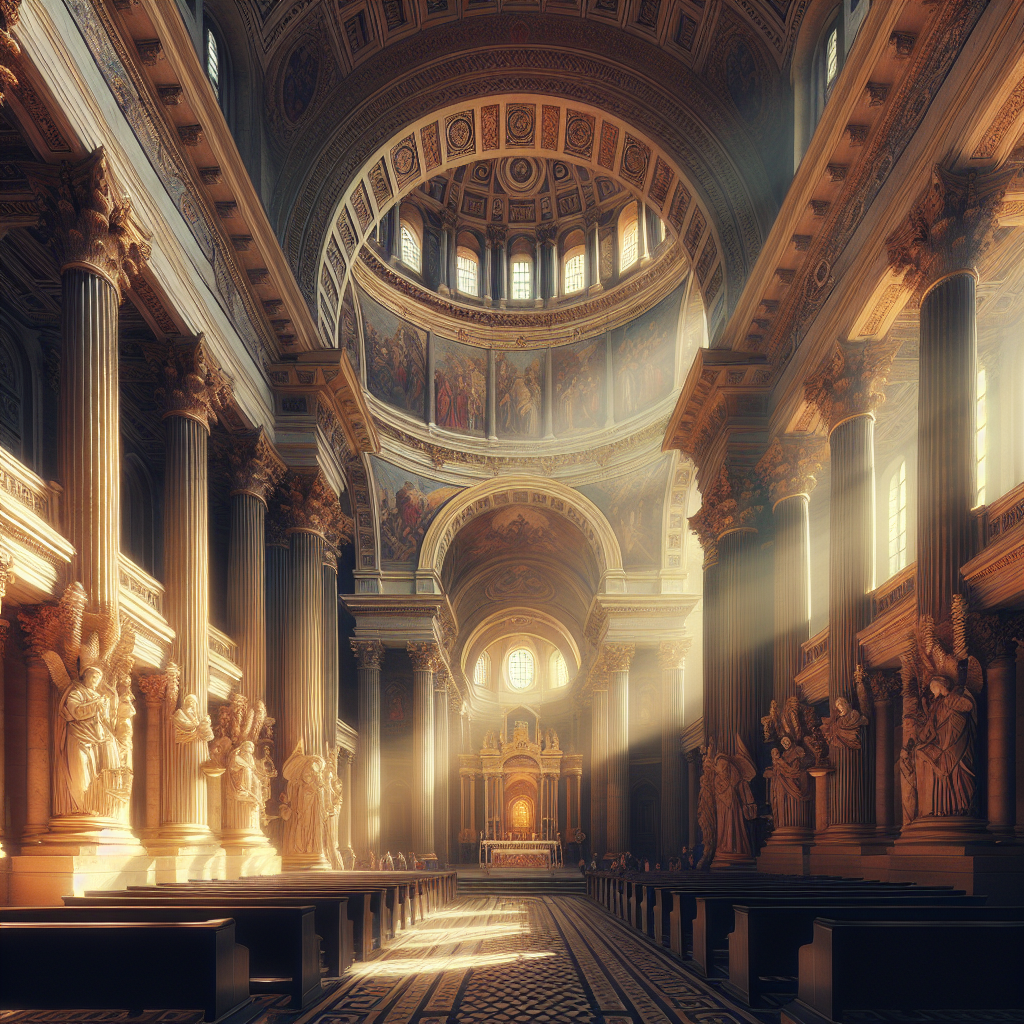
Eternal rest has eluded the Hohenzollern family, a dynasty that shaped European history for over five centuries. Their coffins, having faced relocations, water damage, and wartime destruction, now find a new home in the Berlin Cathedral’s crypt, which recently reopened following an extensive €29 million renovation that took six years to complete. Sonja Tubbesing, a cathedral official, notes that this renovation marks the largest building project since the church’s post-war reconstruction.
The crypt houses the remains of 91 family members and is now comparable to renowned dynastic burial sites across Europe, such as the Capuchin Crypt in Vienna and the Escorial in Madrid. Its location on Unter den Linden, Berlin’s iconic boulevard, makes it a magnet for tourists; in 2019 alone, approximately 765,000 visitors explored the site before the renovation.
However, increasing foot traffic had caused significant climate issues within the crypt. Moisture and heat had led to mold growth, compromising the ornate sarcophagi. In response to these challenges, the renovation has introduced a new ventilation and air conditioning system alongside improved accessibility features for wheelchair users.
An exciting addition to the crypt is an educational room equipped with touch screens. These interactive displays allow visitors to learn about the individuals interred in the crypt. For instance, visitors can discover the story of Anna Sophie von Braunschweig-Wolfenbüttel, who succumbed to overwork and stress in 1659, resting in a beautifully crafted pewter sarcophagus.
Some of the coffins, including that of Prince Wilhelm Heinrich, who died at just one year old in 1649, reveal the harsh realities of life in the past: infant mortality rates among the Hohenzollerns were comparable to that of the general population.
The crypt is officially open to the public as of February 28, and on March 1, a special service attended by dignitaries, including Berlin’s mayor and Germany’s culture minister, will further mark this historical occasion.
This striking combination of history, solemnity, and interactive learning ensures that the crypt not only honors the legacy of the Hohenzollerns but also engages modern visitors in a meaningful exploration of their storied past.
Gracias por leer Columna Digital, puedes seguirnos en Facebook, Twitter, Instagram o visitar nuestra página oficial. No olvides comentar sobre este articulo directamente en la parte inferior de esta página, tu comentario es muy importante para nuestra área de redacción y nuestros lectores.