
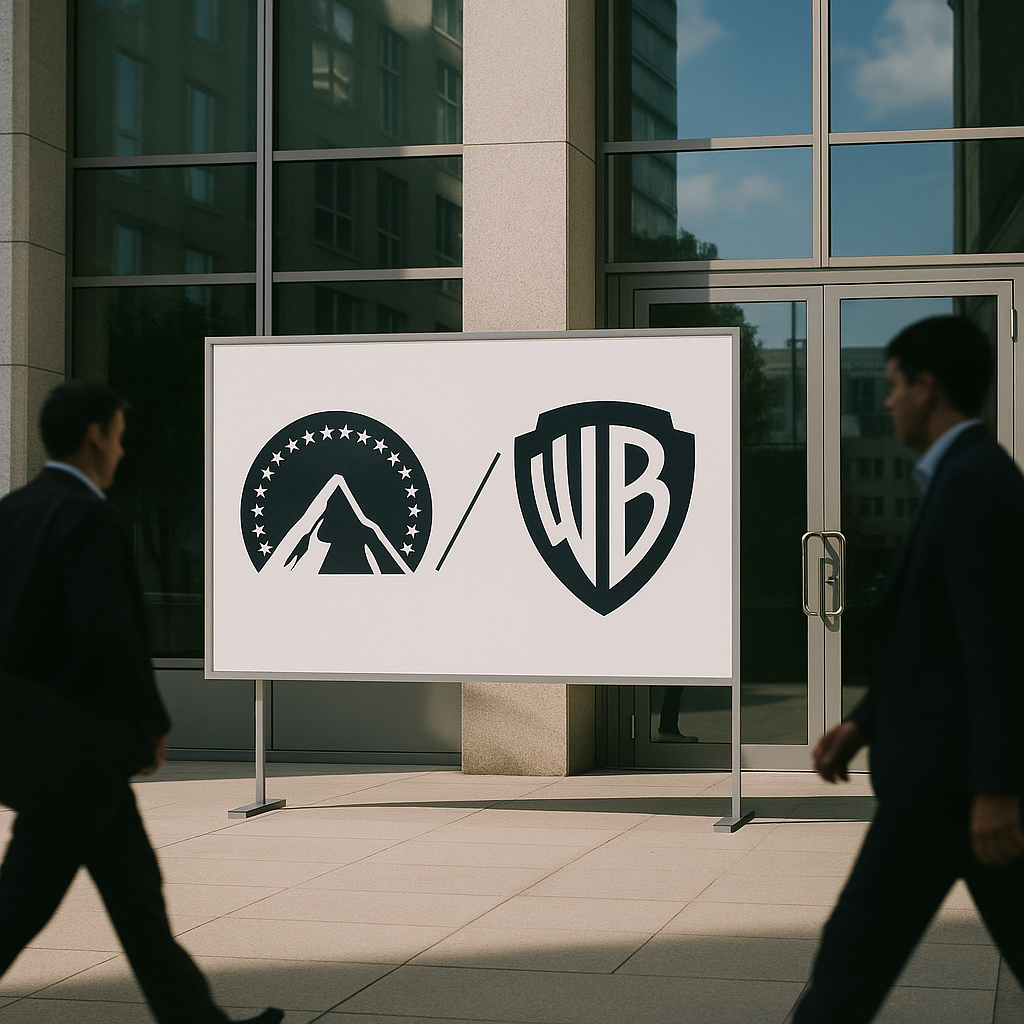
British regulators approved Paramount’s $81 billion acquisition of Warner Bros. Discovery on Thursday, marking a significant step in a merger that continues to face scrutiny elsewhere. The U.K. Competition and Markets Authority ruled that this merger would not substantially reduce competition in the region, while the Department for Digital, Culture, Media and Sport (DCMS) refrained from intervention after Paramount provided legally binding commitments regarding its broadcasting and on-demand presence in the U.K.
Paramount, which was acquired by Skydance just last year, expressed relief and optimism at the clearance, dubbing it an important milestone toward securing the merger. The proposed combination would unite prominent brands and platforms under one banner, such as HBO Max, beloved franchises like “Harry Potter,” and popular shows on CBS alongside Paramount’s streaming service, Paramount+. Additionally, both companies have a solid footing in U.K. production and television, with Paramount owning Channel 5 and Warner controlling TNT Sports.
Previously, Culture Secretary Lisa Nandy had hinted at a possible intervention due to competition concerns regarding news and streaming services available to British consumers. Nonetheless, her office confirmed on Thursday that Paramount had agreed to put protections in place to ensure that a diverse array of broadcasting options remains available, while also committing to safeguard editorial independence at Channel 5.
Under this arrangement, the DCMS will actively monitor the implementation of these commitments, requiring annual compliance reports from Paramount.
Despite the regulatory green light in the U.K., the merger still faces hurdles in the U.S., where 12 states, led by California, have filed a lawsuit challenging the deal. This coalition argues that the merger would stifle competition and diminish choices for consumers in Hollywood, particularly affecting U.S. moviegoers and cable customers. The trial is set to commence in early March and is expected to last for 12 days. Paramount has pledged to vigorously defend its stance amidst increasing concerns regarding industry consolidation.
While the states’ actions suggest a growing apprehension about the implications of this merger, the U.S. Department of Justice has chosen not to block the deal, even offering support for the combined entity. Paramount has also secured clearances from regulatory bodies in the European Union, Canada, Australia, and China.
Including debt, the proposed acquisition is valued at nearly $111 billion, a figure that highlights the substantial financial implications of such consolidation in the media landscape. Both companies advocate that merging will lead to enhanced growth and an increase in content availability for consumers, although critics warn that this trend could lead to a Hollywood dominated by just a few major players.
As Paramount and Warner navigate these regulatory challenges, the outcome of their merger will not only reshape the corporate landscape but will also have far-reaching effects on the media consumption landscape for audiences in both the U.K. and the U.S.
Gracias por leer Columna Digital, puedes seguirnos en Facebook, Twitter, Instagram o visitar nuestra página oficial. No olvides comentar sobre este articulo directamente en la parte inferior de esta página, tu comentario es muy importante para nuestra área de redacción y nuestros lectores.