

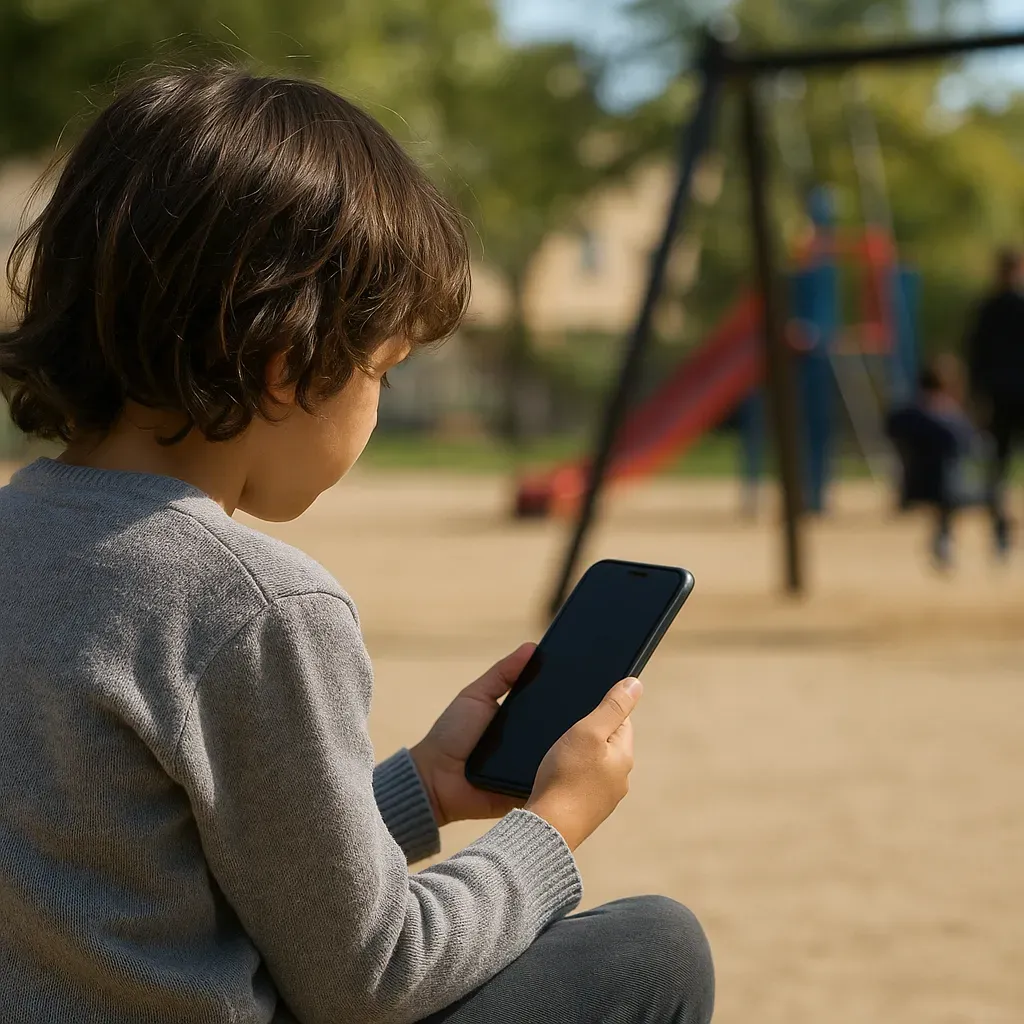
Banning under-16s from social media was one of Keir Starmer’s last acts as Prime Minister before he stepped down in July 2026. Following Australia’s groundbreaking ban on young users in 2025, the UK plans to implement its own restrictions in early 2027. This decision comes amid increasing concerns about the impact of social media on young minds, highlighted by Meta’s recent $18 billion settlement over issues of teen addiction to its platforms.
The discourse surrounding the implications of social media use is ever-evolving. Platforms like Instagram and TikTok provide a continuous stream of carefully curated content, driven by algorithms that personalize experiences for each user. Parents, educators, and lawmakers have raised alarms about the social and emotional ramifications of this online engagement, particularly as research into the effects on developing brains remains inconclusive yet troubling.
Social media often presents a distorted portrayal of reality, where filters and engagement tactics blur the lines between authentic experiences and manufactured ones. This creates a challenging environment for children and teenagers, who may struggle to discern between genuine life narratives and the performances streamed on their screens.
In exploring the parallels between modern social media narratives and ancient cultural practices, one notices a fascinating historical echo. The Greco-Roman civilization, particularly during the golden age of theatrical productions in classical Athens, grappled with similar anxieties about the power of performance. As drama became a staple of cultural life, fears emerged that such artistic expressions could overshadow genuine experiences and emotions.
Reflecting on this concept of "theatrophobia," scholars have documented a persistent worry that the art of performance—much like the captivating spectacles found in today’s social media—could distort reality itself. Notably, the satirist Lucian of Samosata illustrated this concern through humorous anecdotes, highlighting how audiences could become so engrossed in performances that they lost touch with reality. One tale recounts the chaotic frenzy that ensued when an actor portraying Ajax became so immersed in his role that he spilled over into violence, leading the audience into a state of frenzy as well.
These ancient fears resonate with the current landscape of social media, where the hyper-realism facilitated by digital platforms leads to a continual blurring of lines between the genuine and the performative. As individuals curate their lives for online consumption, the consequences can be profound, particularly for impressionable young users who may find themselves lost in a never-ending performance.
The forthcoming ban on under-16s may mitigate some dangers associated with social media, yet it does not address the foundational issues at play. By imposing age restrictions, society may overlook the greater necessity of fostering critical engagement with digital content. The challenge lies in encouraging young people to recognize and navigate the deliberate theatricality inherent in social media.
A straightforward prohibition cannot serve as a definitive solution. Instead, a deeper exploration into the layers of performance and authenticity within these online spaces is essential. As society reflects on these contemporary challenges, it is crucial to remain vigilant in discerning the distinction between reality and the compelling world of digital dramatization. Only through awareness and education can we hope to guide the next generation through these intricate landscapes, preventing them from becoming entirely immersed in the theatrics of modernity.
Gracias por leer Columna Digital, puedes seguirnos en Facebook, Twitter, Instagram o visitar nuestra página oficial. No olvides comentar sobre este articulo directamente en la parte inferior de esta página, tu comentario es muy importante para nuestra área de redacción y nuestros lectores.
Datos basados en información reportada originalmente por theconversation.com.


Deja un comentario