

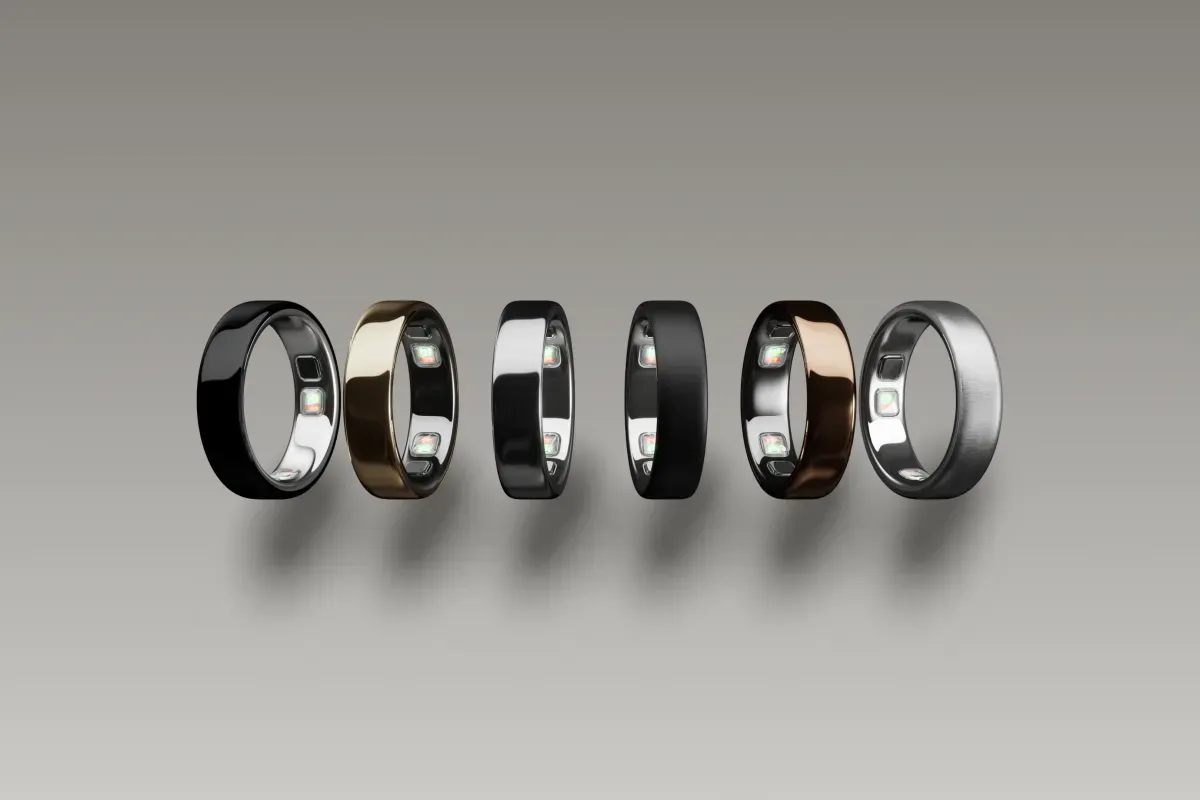
The smart ring market is becoming increasingly competitive, with Oura making headlines as it filed to go public on September 3. The Finnish company has experienced remarkable growth, with revenues nearly doubling to $1.21 billion for the nine months ending June 30. Oura has sold 3.6 million rings over the past year and boasts approximately 5 million paid members. This strategic move follows the launch of the Oura Ring 5, its slimmest and lightest version to date.
Although Oura has maintained dominance in the smart ring space, a variety of competitors are emerging, each with unique features aimed at dethroning Oura. For instance, French company Circular recently announced that its forthcoming ring will enable users to make contactless payments. Meanwhile, the Chinese brand RingConn has introduced a ring featuring haptic vibrations for alerts.
Indian company Ultrahuman has also made strides by raising $70 million with backing from Qualcomm’s venture arm. Ultrahuman is set to develop a smart ring capable of running software directly on the device, potentially allowing functionalities ranging from AI interactions to gaming.
The competitive landscape has shifted from mere health and sleep tracking to a race for integrating smartphone-like functionalities into ultra-light titanium rings. Innovations such as screens on smart rings are becoming a reality, exemplified by the Pebble Halo, currently available only in India, and the Dreame Ring, which promises touchpad capabilities.
This evolution is noteworthy because the initial appeal of smart rings lay in their unobtrusiveness compared to bulkier devices like smartwatches. As the market progresses, there’s a risk that these rings may morph into mini smartphones.
In light of this rapidly evolving market, several key players are vying for Oura's crown.
### Ultrahuman Earlier this year, Ultrahuman unveiled its $479 Ring Pro, set to ship in the U.S. in mid-September. The company has navigated past legal hurdles following a patent dispute with Oura, resulting in a redesigned product. The Ring Pro enhances heart-rate sensing during sleep and incorporates a dual-core processor for more accurate data collection and processing.
### Circular Circular's upcoming Ring 3 series, expected early next year, will include a Pro model and a Slim option, both equipped with NFC chips for contactless payments and vibration alerts for various notifications. Notably, the Ring 3 Pro will offer advanced health monitoring features, including FDA-cleared ECG for atrial fibrillation detection.
### RingConn Launched in May, the RingConn Gen 3 starts at $349 and provides insights into vascular health by assessing changes in vascular strain. This model also monitors various metrics, including heart rate and sleep, while employing vibration alerts for health notifications.
### Samsung Breaking into the smart ring market, Samsung introduced the Galaxy Ring on July 24 for $399. While it integrates well with Samsung's ecosystem, its health tracking features are relatively basic compared to those found in competing products.
### Dreame Dreame has recently entered the market with its own smart ring featuring haptic alerts and a touchpad for functionalities such as music control and photography. Detailed information regarding pricing and availability remains forthcoming.
As the smart ring market becomes more complex, these innovative solutions signal a vibrant and dynamic landscape poised for further advancements in health tracking and connectivity. The journey ahead promises to be exciting for consumers and industry participants alike.
Gracias por leer Columna Digital, puedes seguirnos en Facebook, Twitter, Instagram o visitar nuestra página oficial. No olvides comentar sobre este articulo directamente en la parte inferior de esta página, tu comentario es muy importante para nuestra área de redacción y nuestros lectores.
Datos basados en información reportada originalmente por techcrunch.com.
Reportar un problema en esta notaPolítica de correcciones

Deja un comentario