

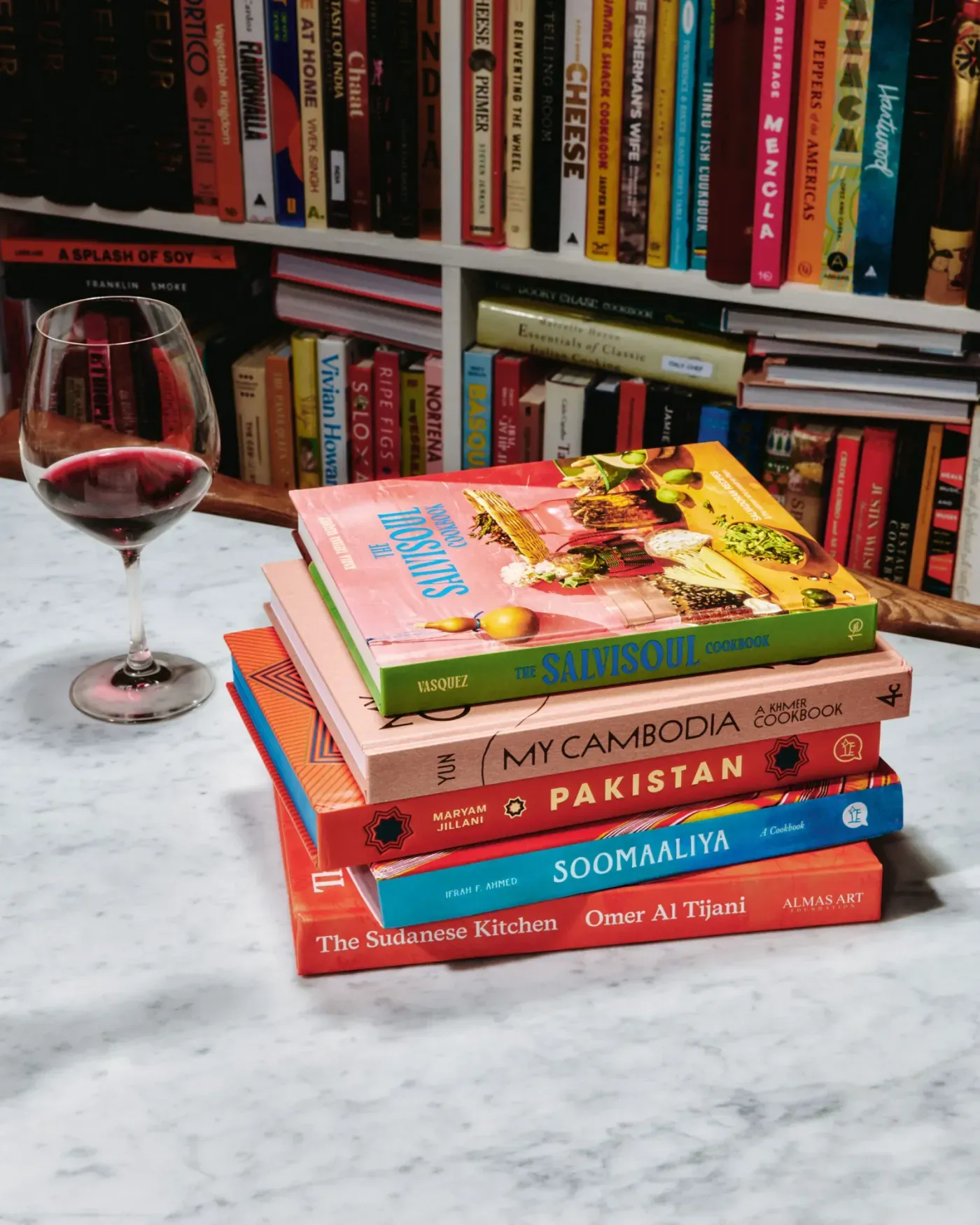
Cookbooks have traditionally been written for a spectrum of reasons, from home cooks eager to document cherished family recipes to professional chefs wishing to share their culinary insights. However, there is a noteworthy trend emerging: a growing collection of cookbooks that challenge the mainstream, spotlighting cuisines that often remain overlooked. Despite publishers’ claims that these topics lack market appeal, recent seasons have seen an influx of titles dedicated to the culinary backgrounds of Somalia, Sudan, Cambodia, Pakistan, and El Salvador, among others.
Many of these works originate from first-generation immigrants, serving not merely as cooking guides but as vital instruments for cultural preservation. These authors meticulously recreate recipes, with some books standing as the first published in English for their respective cuisines. They embody a deeper commitment to share their cultural heritage, often coupled with a sense of urgency to prevent the erosion of traditional knowledge.
Take, for example, Ifrah F. Ahmed, whose book "Soomaaliya" is only the third of its kind focused on Somali cuisine since 1978. Ahmed, a refugee from Mogadishu, shares a rich narrative of her homeland's history, pays tribute to those who came before her, and includes insightful essays on the Somali diaspora. Her work is a testament to her desire to ensure that this culinary heritage does not fade into obscurity.
Similarly, Nite Yun, a chef based in San Francisco, reflects on the challenges she faced in accessing Khmer cooking resources. Her cookbook, "My Cambodia," combines personal recollections of growing up in California with authentic recipes that connect her to her roots. Yun is unapologetic about the complexities of Cambodian cuisine, emphasizing key ingredients and their importance, urging cooks to seek out authentic elements rather than simplify the dishes for American tastes.
In a parallel journey, Maryam Jillani, the author of "Pakistan," took it upon herself to venture through her home country to discover the myriad regional culinary traditions often left unchronicled. Frustrated with the repetition of the same recipes online, she sought out chefs and home cooks, crafting a narrative that encompasses the diverse tapestry of Pakistani cuisine.
Karla Tatiana Vasquez has adopted a community-oriented approach in her upcoming book "SalviSoul," which intertwines personal history with interviews from 25 Salvadoran women who contribute their recipes. This collaborative effort underscores the significance of shared experiences in food culture. Omer Al Tijani’s "The Sudanese Kitchen" marks yet another groundbreaking entry, being the first Sudanese cookbook published in English. Al Tijani’s extensive journey, involving local experts and family members, emphasizes the need to reshape narrative perceptions of Sudan, framing its rich gastronomic landscape as a vital contributor to global culinary arts.
While celebrity and diet-focused cookbooks continue to dominate the market, these compelling ethnographies reflect an emerging reader demand for narratives that dive deeper, uncovering stories that transcend mere recipes. The efforts it takes to bring these hidden culinary treasures to light are undeniably worthwhile, paving the way for a richer, more diverse exploration of food cultures worldwide.
No longer relegated to the sidelines, these cookbooks illuminate culinary traditions that enhance the global gastronomy narrative, demanding recognition and appreciation in an increasingly interconnected world.
Gracias por leer Columna Digital, puedes seguirnos en Facebook, Twitter, Instagram o visitar nuestra página oficial. No olvides comentar sobre este articulo directamente en la parte inferior de esta página, tu comentario es muy importante para nuestra área de redacción y nuestros lectores.
Datos basados en información reportada originalmente por saveur.com.



Deja un comentario