
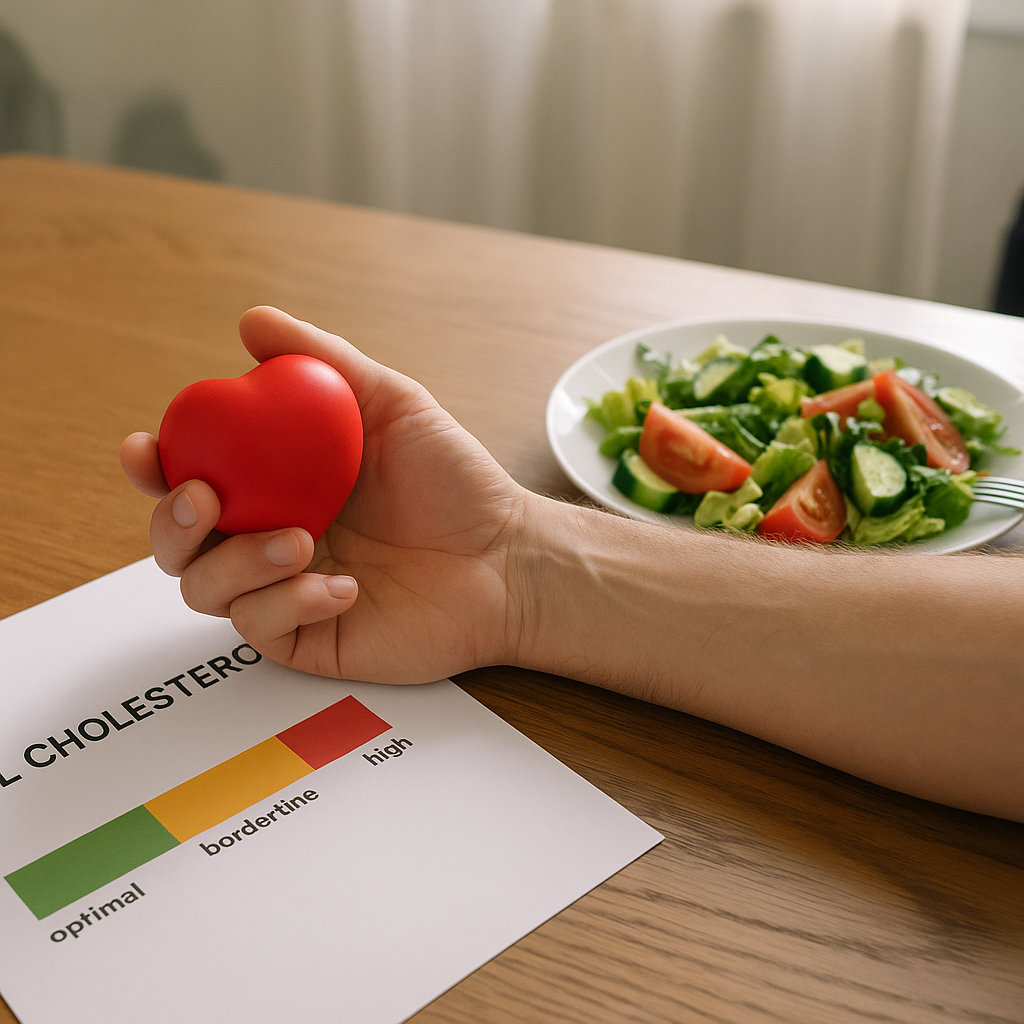
High cholesterol is an insidious health concern, often referred to as a “silent” condition due to its lack of direct symptoms. This stealthy nature leads to significant arterial damage over time, unnoticed by many. Alarmingly, more than 40% of adults in the United States with elevated LDL cholesterol levels remain unaware of their condition, according to a recent study published in JAMA Cardiology. This lack of awareness places countless individuals at heightened risk for severe cardiovascular events such as heart attacks and strokes.
Dr. Jason Hoff, a structural interventional cardiologist, emphasizes that heart disease develops gradually over decades rather than appearing suddenly. He notes that with each year LDL cholesterol remains elevated, plaque accumulation in the arteries worsens, underscoring the importance of early detection and intervention. In light of this, updated guidelines from the American College of Cardiology and the American Heart Association advocate for proactive cholesterol management, encouraging earlier screening for individuals with significant risk factors, including a strong family history or notably high cholesterol levels.
Regardless of age, from the youthful to the elderly, monitoring cholesterol levels is crucial. Experts, including cardiologists, advise that taking control of one’s health starts with understanding cholesterol’s dual nature. While cholesterol is essential for producing cells and hormones, excessive amounts can lead to arterial constriction, increasing heart disease risks. Two key types of lipoproteins influence cholesterol transport: high-density lipoproteins (HDL), known as “good” cholesterol, and low-density lipoproteins (LDL), often labeled as “bad” cholesterol due to their role in plaque formation.
Preventing high LDL cholesterol is essential, even for those in seemingly good health. The risk of plaque buildup can begin unnoticed in one’s 20s or 30s, making awareness and early checks vital. Dr. David Sabgir, a cardiologist, advocates for proactive heart health management, stating that merely feeling well is not a reliable indicator of cholesterol status. It is crucial to know one’s cholesterol numbers to mitigate future health risks.
For many, the first step in awareness is a simple blood test, recommended for everyone aged 20 and older. According to the American Heart Association, optimal LDL cholesterol levels should be maintained at or below 100 mg/dL. Keeping abreast of these levels can empower individuals to take informed steps toward healthier heart profiles, ultimately reducing the risk of severe cardiovascular complications.
Gracias por leer Columna Digital, puedes seguirnos en Facebook, Twitter, Instagram o visitar nuestra página oficial. No olvides comentar sobre este articulo directamente en la parte inferior de esta página, tu comentario es muy importante para nuestra área de redacción y nuestros lectores.