

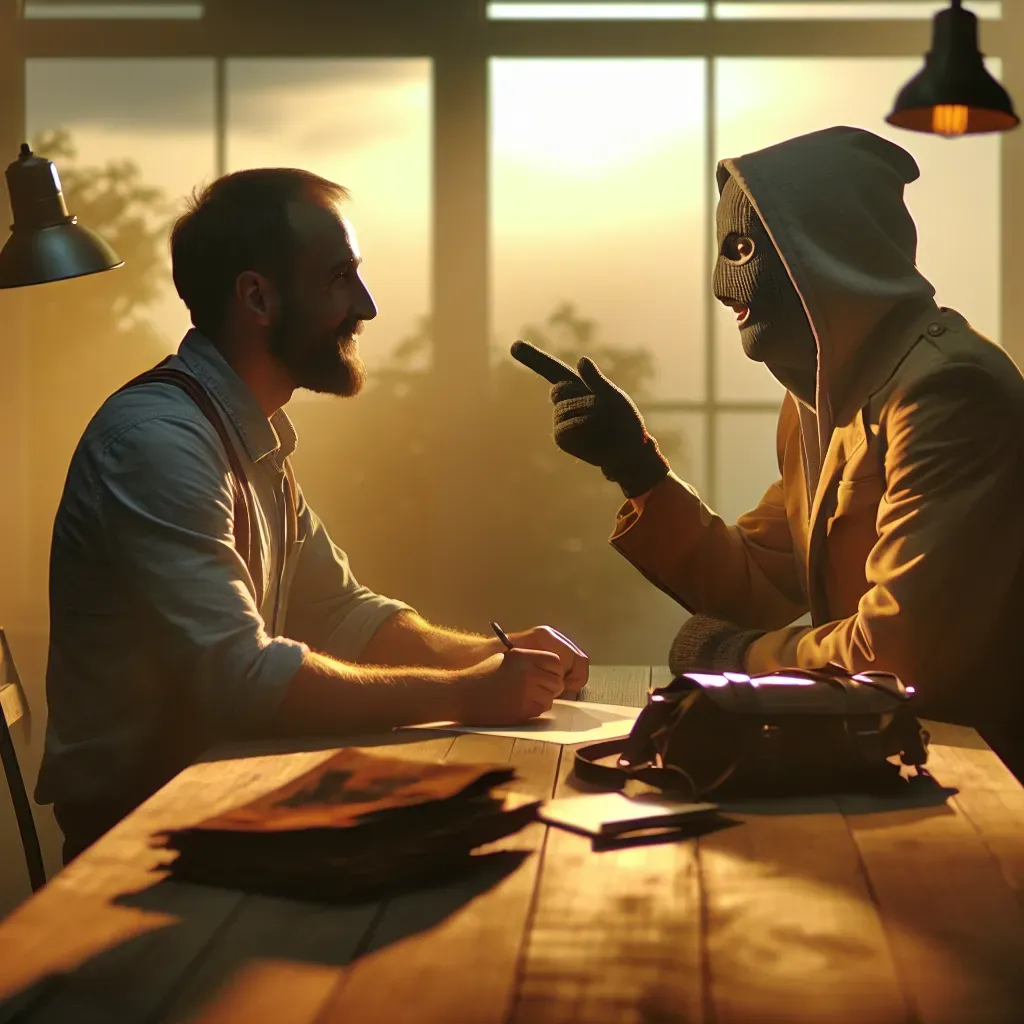
Strangers might not intentionally aim their cameras at me, but every time I find myself lost in conversation with a piece of artwork, I become aware of how often my presence becomes part of someone else's Instagram story. This peculiar dance of perception and creation has sparked my lifelong passion as a devoted observer of art.
Consider, for example, transcendent moments spent in front of Théodore Géricault's stirring "Raft of the Medusa" (1818–19) or the serene embrace of the frescoed garden room from the Villa of Livia. The work of Marcel Duchamp offers its own brand of engagement, especially with his 1918 piece "To Be Looked at (from the Other Side of the Glass) with One Eye, Close to, for Almost an Hour." Immersing oneself in such creative endeavors often leads to the guilt of unproductivity; hours may pass without yielding any tangible insights for teaching or writing.
The film "The Christophers," directed by Steven Soderbergh and slated for release in the United States in 2026, dives into the heart of this very artistic experience. It chronicles the interrelationships between two painters, Julian Sklar (played by Ian McKellen) and Lori Butler (portrayed by Michaela Coel), as they navigate their creative paths in contemporary London. At first glance, the film's promotional materials suggest a narrative heavy with themes of cancel culture akin to "Tár" (2022)—exploring the fraught dynamics of race, class, and gender.
However, "The Christophers" unfolds as a delightful comedy infused with profundity, contemplating why artists create and what they express. Unlike the dismal tone of "Tár," the film combines levity and serious inquiry, echoing the reflective themes of writer Ed Solomon's previous works, which deftly examine memory and the essence of art.
Butler, the young and introspective artist, is constantly absorbing the world around her. Whether sketching pastoral landscapes or observing the complexities of daily life, she wears her emotions beneath layers of clothing. In contrast, Sklar, the seasoned painter, channels his feelings unabashedly, providing a vivid portrayal of a man grappling with his own artistic legacy amid fluctuating connections with contemporary society.
Sklar's storyline reveals the weight of being "canceled," an experience whose details are frustratingly elusive. His provocative questioning—why fewer women artist names grace museum collections compared to art students—opens a door to engaging discussions about gender inequalities in the art world. The complexity of his character unfolds with layers, revealing his struggle against the stagnation of creative output while juxtaposing Butler’s difficulty in carving her own identity.
The realities of art forgery also deserve acknowledgment in this narrative. While the film portrays forgery with realism—acknowledging its prevalence and the collective denial that follows—a fantastical twist presents Butler creating convincing forgeries overnight, a feat both absurd and engaging.
As audiences watch Sklar and Butler grapple with their artistic journeys, they may not find answers but rather resonate with the creative spirit. The film, like Duchamp’s challenge to complacency in art viewing, encourages viewers to reflect deeply on their relationship with creativity. The sense of connection forged through close attention to artwork transcends generations, bridging the gap between the artist and the beholder, allowing a communion that is more vital than any tangible outcome.
"The Christophers" invites us to embrace the impish questions that art and creativity elicit, leaving us with the autonomy to derive personal meaning from our experiences. This film opens a dialogue around the nature of artistic engagement, whether through deliberate observation or fleeting interactions, reminding us that beauty and reflection often lie just beneath the surface.
Gracias por leer Columna Digital, puedes seguirnos en Facebook, Twitter, Instagram o visitar nuestra página oficial. No olvides comentar sobre este articulo directamente en la parte inferior de esta página, tu comentario es muy importante para nuestra área de redacción y nuestros lectores.
Datos basados en información reportada originalmente por hyperallergic.com.



Deja un comentario