

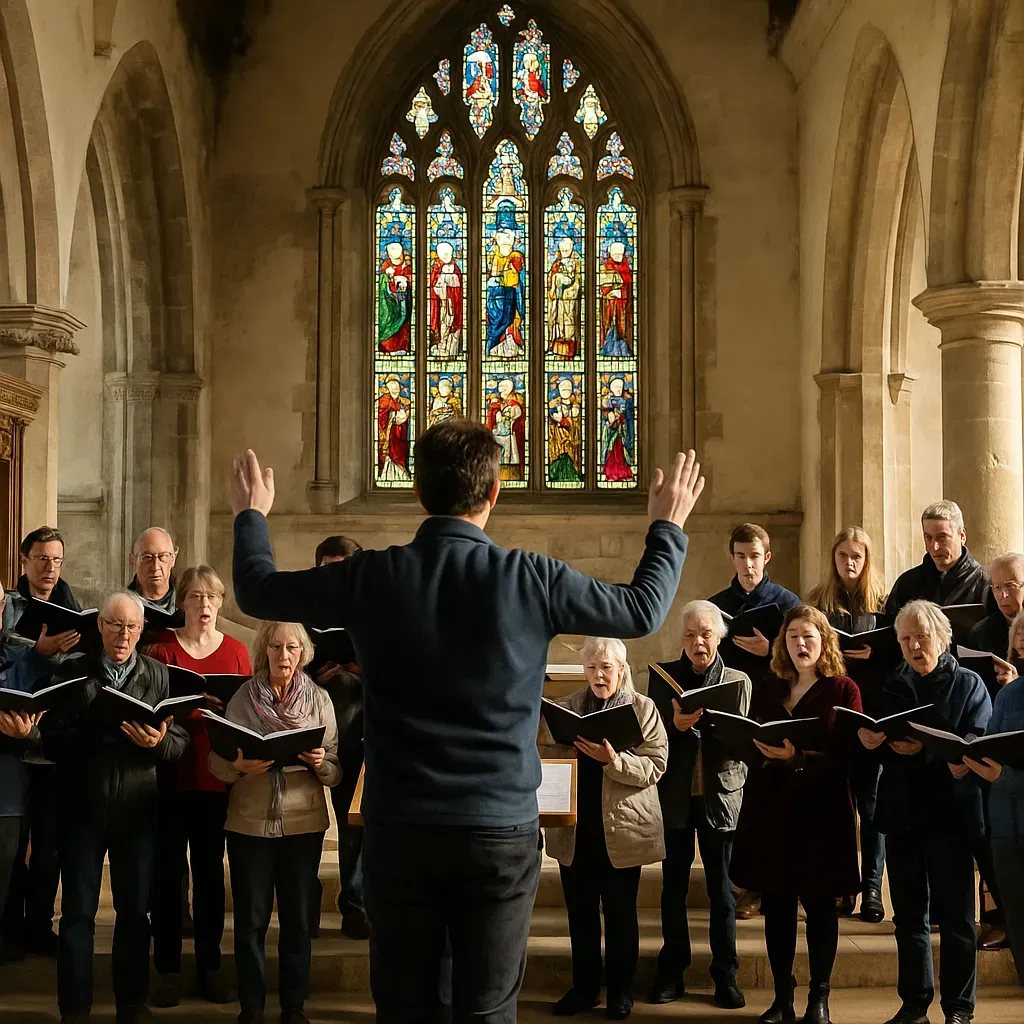
Some sounds evoke a sense of belonging, deep-rooted in cultural heritage that defines a place. In Britain, the resonant peal of church bells, the engaging notes of a brass band in a village green, and the electric atmosphere of a football crowd create an unmistakable backdrop. Among these, the extraordinary harmonies of a choir singing evensong from a cathedral at day’s end resonate profoundly.
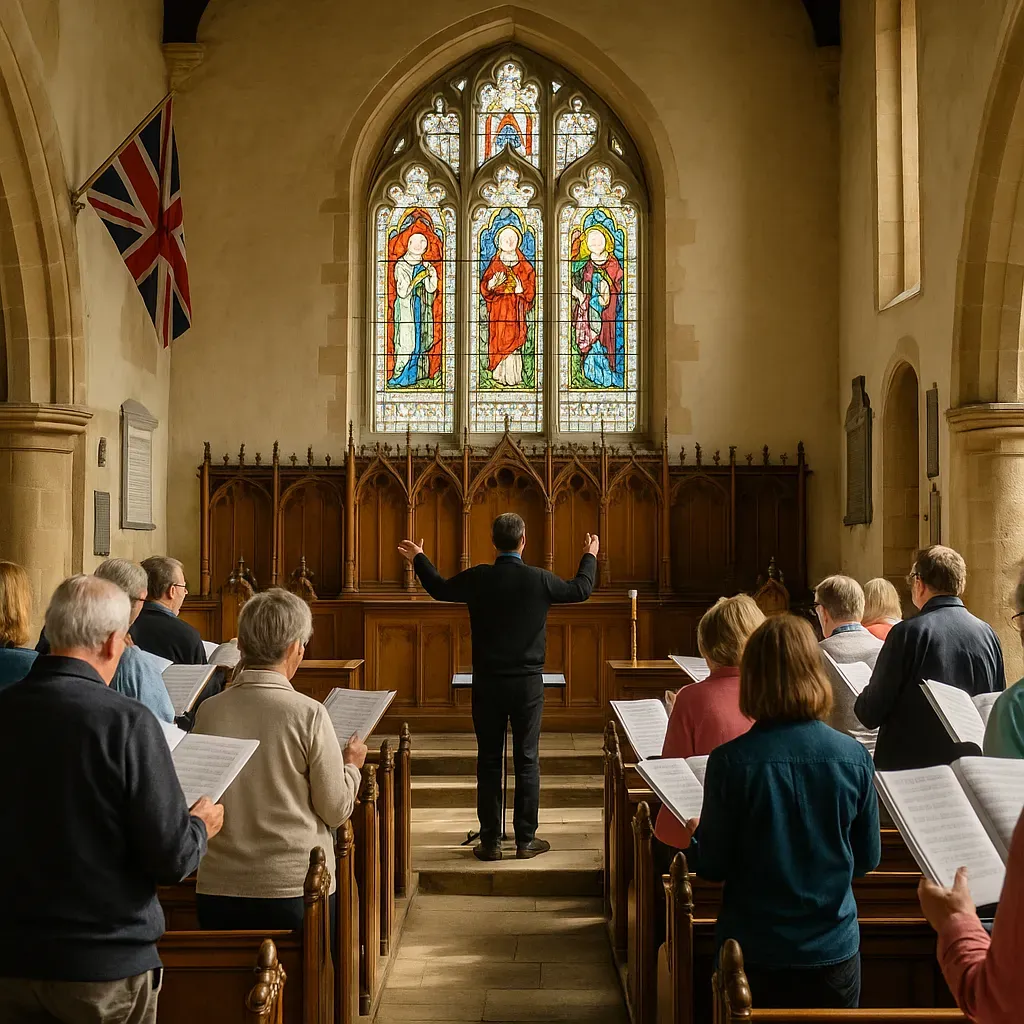
2026 marks a significant milestone: the centenary of choral evensong broadcast on BBC radio. On 7 October 1926, listeners tuned in for the first live service from Westminster Abbey, a moment that intertwined public broadcasting with rich tradition. Today, choral evensong continues its legacy on Radio 3, hosted weekly from various cathedrals, churches, and chapels across the UK. It holds the title of the BBC’s longest-running outside broadcast, capturing the hearts of hundreds of thousands each week.
The power of this music transcends its medium. For many listeners, it transforms a distant cathedral into an intimate space, allowing for deeper connection. However, the significance lies not merely in the survival of the broadcast but in its representation of a living cultural heritage. Evensong is a multifaceted experience, serving as prayer, inspiration, or simply a moment of serenity—its impact felt by both the devout and the secular alike.
This is culture in its purest form: a communal experience that should not be restricted to a select few. It is essential to examine the pressures faced by the traditions that sustain this cherished practice. Cathedral music is not just a relic; it thrives in the present, showcasing new compositions alongside time-honored works. Currently, around 3,000 children and young people sing as choristers in the UK’s places of worship, supported by thousands more participating in school and youth choirs. These experiences foster not only exceptional musical talent but also instill confidence, teamwork, and a profound sense of belonging.
Participation in a choir can open doors to remarkable opportunities. Cathedral choirs provide world-class musical training and cultural exposure that might be otherwise inaccessible. However, barriers still exist; issues such as affordability, the availability of music instruction, and a lack of familiarity with cathedral culture can inhibit access. To truly preserve this tradition, we must also strive to broaden its reach and inclusion.
The transformative power of singing as a child can be life-altering. It offers not just an artistic outlet but also rich experiences that enhance personal development. As individuals journey through these formative moments, they learn the importance of collaboration, resilience, and the value of persistence.
Organizations like the Cathedral Music Trust are actively championing these opportunities and advocating for Unesco status for English sacred choral music. Their aim is to ensure that this vibrant and evolving art form is not only acknowledged but celebrated on a national level. Seeking Living Heritage status emphasizes the necessity of protecting this culture while recognizing its ongoing vitality.
As the UK shines a spotlight on its renowned theatres, galleries, and museums, it is equally important to acknowledge everyday cultural and religious traditions performed in community hubs by skilled musicians. This tradition remains vibrant, reaching an expansive audience through the simple act of radio broadcasting. There is a collective responsibility to not only cherish this remarkable tradition but also to safeguard it for future generations, ensuring that they, too, can claim it as their own.
En el presente, la fecha 2026-10-12 07:30:00 subraya la continuidad de este legado cultural.
Gracias por leer Columna Digital, puedes seguirnos en Facebook, Twitter, Instagram o visitar nuestra página oficial. No olvides comentar sobre este articulo directamente en la parte inferior de esta página, tu comentario es muy importante para nuestra área de redacción y nuestros lectores.
Datos basados en información reportada originalmente por theguardian.com.



Deja un comentario